The Hairy Truth: Why Cats Get Hairballs, How to Stop Them, When to Worry
23 Jan 2026.
There’s nothing worse than getting up in the night and stepping right on top of one of your cat’s hairballs. Felines are very tidy creatures and usually do a great job at keeping themselves clean. So, watching your kitty cough up a ball of fur can seem a bit jarring. While not nice to look at (or feel underfoot!), hairballs are quite natural for your furry friend. And as a great paw parent, taking care of your cat, hairballs and all, is part of the job. Below, Cat in a Flat uncovers the hairy truth behind what causes hairballs, if they’re preventable, and when you should be worried about Mr Whiskers.
Table of contents
What is a hairball?
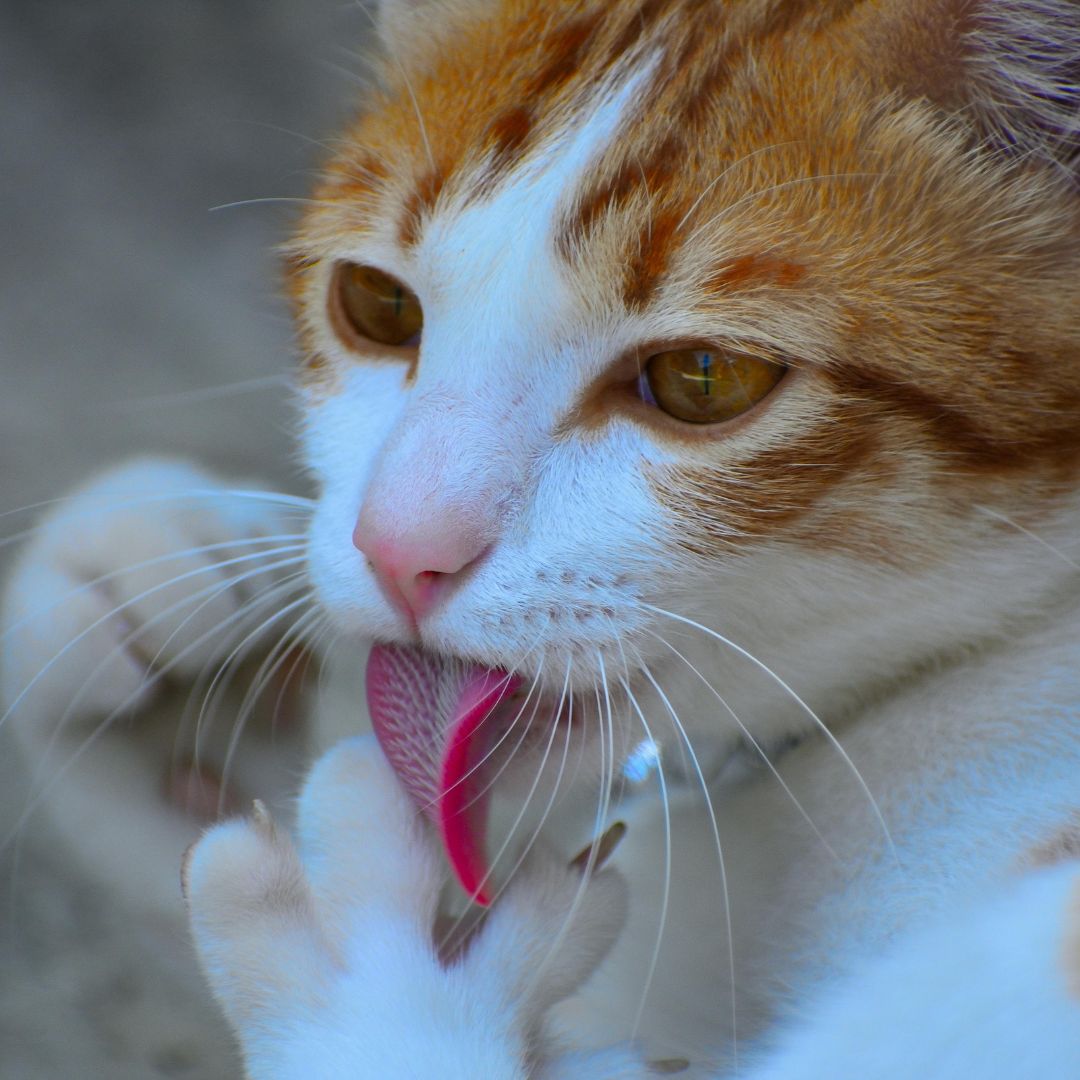
What is a hairball? You’ve probably noticed that your furry friend uses up a fair amount of time grooming. On average, cats spend roughly 2-5 hours per day cleaning themselves. If your kitty has ever licked you, you also know that their tongues can feel quite rough. This is because felines have tiny barbs on their tongues that snag on loose fur, usually causing them to swallow it.
While most fur will pass through Mr Whiskers’ digestive track without issue, some will mix with digestive juices to form a ball. And eventually, your cat will have to expel this hairball by vomiting it up.
How to know if your cat has a hairball
It should be quite obvious if your kitty has a hairball. If you’re a first-time cat owner or simply not sure what to look for, here are the most common symptoms:
Coughing: If your kitty is trying to expel a ball of fur, they may cough or gag. This often sounds like there is something stuck in their throat.
Retching / Dry-heaving: Your fur friend may make retching sounds, or dry-heave as if trying to vomit. This can sometimes be prolonged and may not always result in expulsion of a hairball right away.
Vomiting: At some point Mr Whiskers will vomit up a sausage-shaped gunk of fur. This can be along with food or liquid.
Are hairballs normal for cats?
Are hairballs normal for cats? It can be worrying to see your fur friend gagging or retching, but hairballs are completely normal. Felines have to self-groom to keep their fur in healthy condition, and hairballs are the result of that. However, there may be times where too many or a lack of can be cause for concern. It’s important to know when your cat has healthy hairballs and when you should take them to the vet for a check-up.
Signs of healthy hairballs
Most of the hairs your furry friend swallows will pass through their digestive track without any issues. Because just a small percentage of these hairs clump in the stomach, your cat should only vomit hairballs on occasion. The norm is about once a month, although this can vary depending on seasons and Mr Whiskers’ shedding cycle.
Your kitty’s coat will often change with the seasons—getting thicker in the winter to keep them warm and thinner in the summer to help your feline stay cool. This means your kitty may be prone to hairballs during colder seasons or when they’re shedding more in preparation for summer. And that’s normal!
Signs of dangerous hairballs
If you notice your cat is retching a lot but nothing comes up, it could indicate there is some sort of blockage in their intestine. If this is partnered with other symptoms such as lethargy, loss of appetite, and changes in their litter box routine, you need to take Mr Whiskers to the vet immediately. Coughing or retching without producing a hairball can also be symptoms of feline asthma, which requires veterinary treatment.
Alternatively, if your cat seems to be producing a lot of hairballs—as in, more than one or two a month—it’s worth taking them to the vet, too. Food allergies and other gastro-intestinal issues can cause an increase in hairballs. Some felines also over-groom when stressed. So, it’s worth mentioning to your vet if there have been any changes in your fur friend’s routine. This may include moving home, a new pet, or a new baby in the household.
How to prevent hairballs
As mentioned above, hairballs are a normal part of your cat’s life. You can’t fully eliminate them, but you can help prevent them with a few tips and tricks!
Grooming: Frequently brushing your fur friend can go a long way toward helping to prevent hairballs. If you have a longer-haired feline like a Persian, set aside time to groom them daily. For shorter-haired cats like Russian Blues, aim for once a week.
Professional Help: Another option to consider for felines with long hair is getting their fur professionally trimmed to reduce length and matting. For some cats the ‘lion cut’ works well (and looks super cute too)!
Stay Hydrated: There are many reasons why it’s important for your kitty to stay hydrated. One of the key ones is that drinking plenty of water is great for digestion. This will help your cat to pass fur through their system more easily. Provide multiple fountains or bowls of water around the home. And be sure to freshen them daily to encourage Mr Whiskers to use them.

Balanced diet: Feeding your cat a balanced diet of wet and dry food will keep their digestive system running more smoothly, prevent constipation, and help their fur stay shiny and healthy.
Homeopathy: Lubricants or fibre supplements can sometimes helpful too. However, these are meant to be used in addition to the prevention tips mentioned above and not solely on their own. Always consult a vet before introducing any homeopathic remedies into your cat’s routine. And never give your feline anything intended for humans!
Reduce stress: Keeping your kitty stress-free is another way to prevent over-grooming and hairballs. Felines are creatures of habit, so sticking to a routine is essential for their overall health. And when going on a trip, avoid boarding Mr Whiskers in a cattery. Instead, hire a cat sitter for at-home care. Having a trustworthy cat sitter look after them in familiar surroundings will reduce anxiety and help your kitty stay happy and healthy.
Want to learn more about your kitty’s health? Read up on how to prevent, identify, and treat feline diabetes and everything you need to know about vaccinating your cat.
- #catinaflat
- #pet care
- Cat Care
- cat hairballs
- cats and grooming
- hairballs
- healthy hairballs
- why cats get hairballs